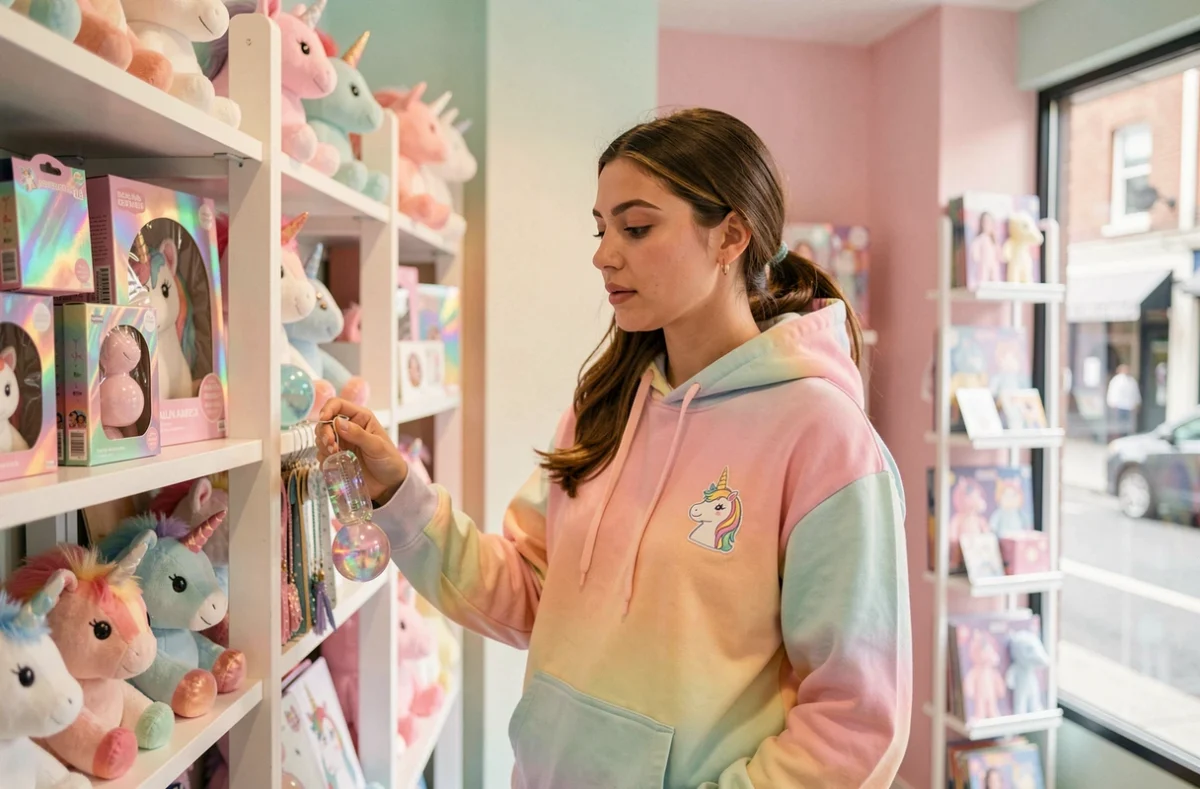
The unicorn remains a key licensing axis in the French toy and merchandise market. The segment is no longer limited to plush toys and phone cases: animated franchises, distribution partnerships, and premium product offerings are repositioning the unicorn as a distinct category within the children’s entertainment industry, with ramifications for an adult audience.
Unicorn Academy License and Netflix Distribution Strategy
Spin Master is now structuring the Unicorn Academy franchise according to a two-part release schedule. The chapter Secrets Revealed – Flying Free is set to launch globally on Netflix on October 8, 2026, with its first four episodes, followed by four additional episodes announced for spring 2027.
This sequenced programming model is not trivial. It extends the commercial exploitation window of each wave of merchandise and keeps the franchise within the platform’s recommendation algorithms for several months. We are observing a logic of continuous content rather than one-off launches.
The Unicorn Academy products are no longer circulating solely through traditional toy channels but are integrated into a broader distribution network, including generalist retailers. The latest news from the franchise is regularly covered on the Happy Licorne website, which aggregates product releases and season announcements.
Licensed Products and Growing Influence in the French Toy Market
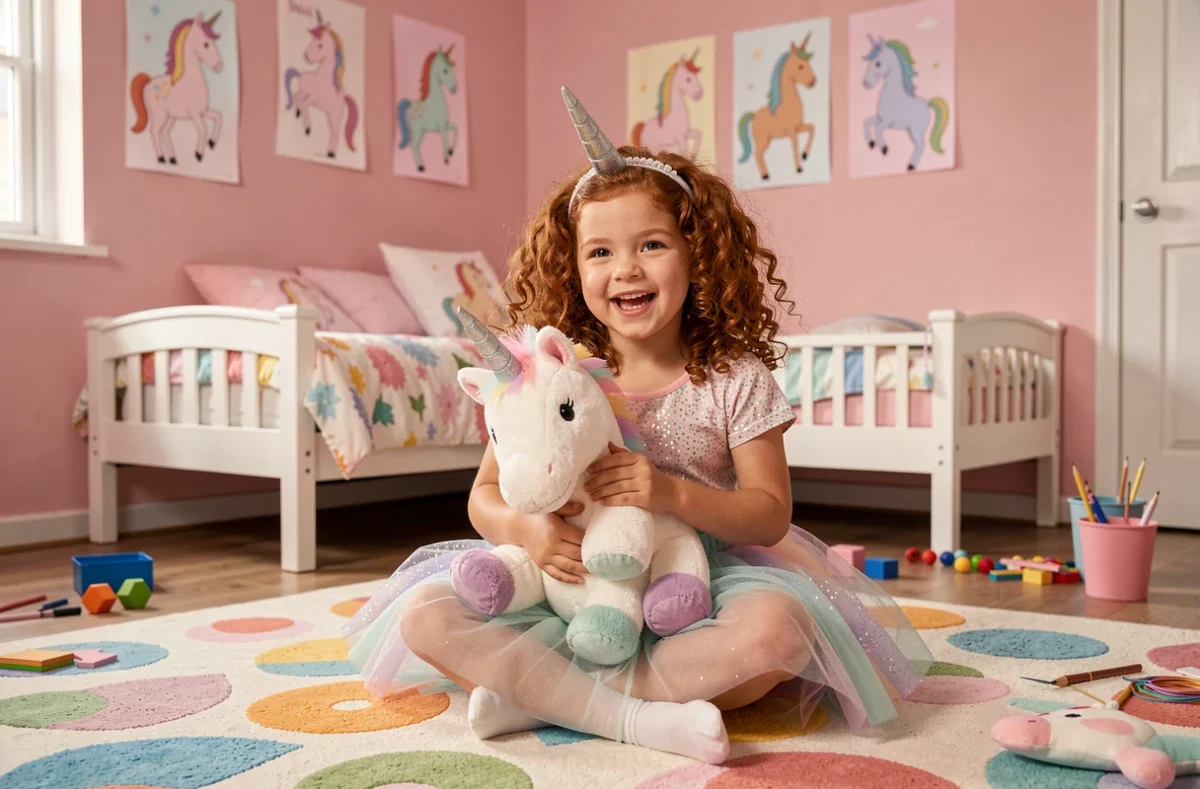
Licensed products now account for about one-third of toy sales in France, according to an analysis of Circana data published by Les Échos Études in September 2026. The license has become the primary growth lever for the sector, surpassing pure product innovation.
The unicorn, as a theme, directly benefits from this dynamic. It is not driven by a single franchise but by an ecosystem of complementary licenses (series, figurines, stationery, textiles). This dispersion makes the segment resilient: when one franchise wanes, another takes over.
The rise of adult purchases accentuates this trend. This phenomenon of kidults buying for themselves particularly affects products with strong emotional value, and the unicorn checks all the boxes: nostalgia, recognizable aesthetics, potential for collectible items.
Most Dynamic Product Segments
- Licensed plush remains the top category by volume, with accelerated turnover driven by animated season releases (biannual rhythm for Unicorn Academy)
- Stationery (binders, notebooks, pencil cases) captures the back-to-school market and benefits from comfortable margins due to low production costs and a strong range effect
- Decoration and party items (tableware, garlands, balloons) generate recurring purchases related to birthdays, with an increasing average basket size for complete themed offerings
Colors and Design: What’s Changing in the Unicorn Range in 2026
The rainbow pastel palette that has dominated for several years is giving way to more contrasting combinations. Recent collections incorporate dark backgrounds (midnight blue, deep purple) on which the unicorn appears in bright or metallic colors. The unicorn design is gradually moving away from being exclusively child-focused to appeal to preteens and adults.
In textiles, organic cotton is establishing itself as the reference material for children’s ranges. French parents are sensitive to this, especially given the ongoing concerns about endocrine disruptors in toys and textiles.
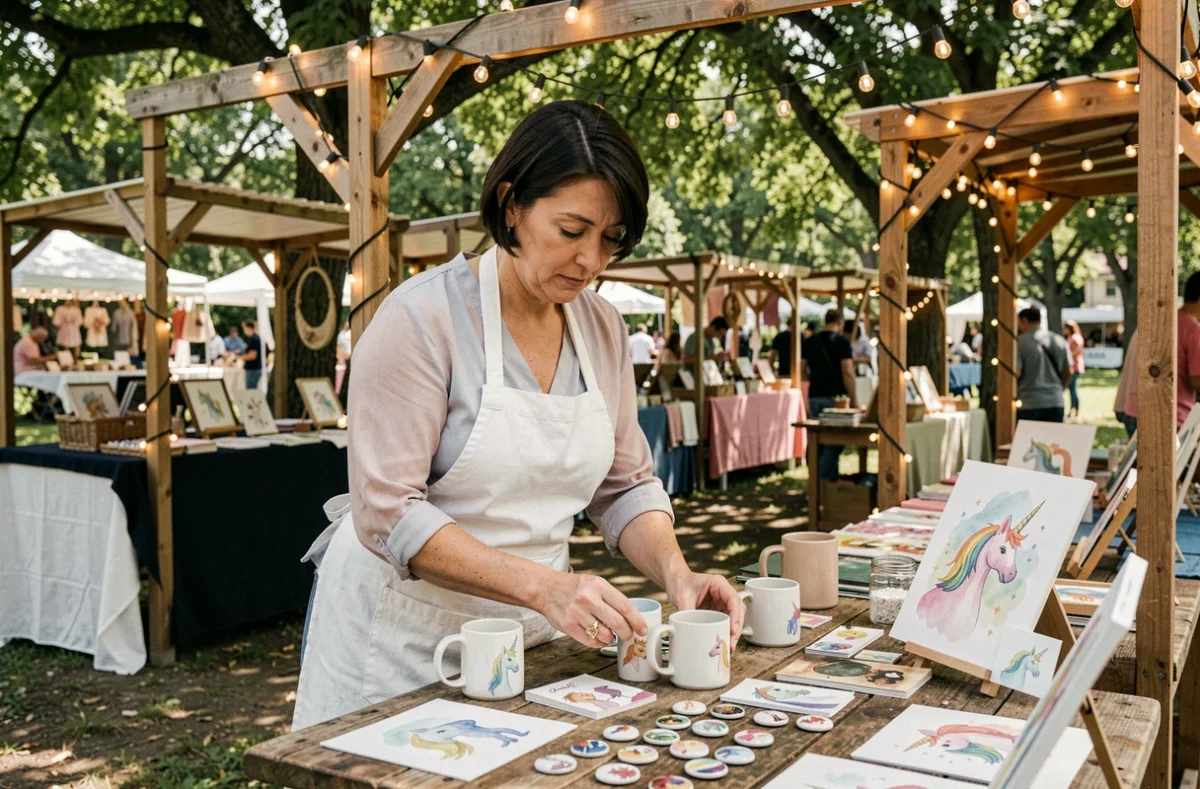
On the paper and supplies side, we are seeing an upgrade in weight and finishes (selective varnish, hot foil stamping on binder covers). These manufacturing details, long reserved for premium products, are becoming more common in mid-priced unicorn ranges. The unicorn product is no longer sold solely on the motif: the perceived quality of the material is becoming a purchasing criterion.
Subscription and Recurring Offers: The Economic Model Taking Hold
Several French companies are testing subscription models around the unicorn universe. The principle: a monthly or quarterly box containing exclusive items (figurines, accessories, stationery) related to current releases. This format serves two objectives for brands.
- Smooth out revenue throughout the year instead of relying on the Christmas and back-to-school peaks
- Create a loyalty and collection effect that increases customer lifetime value
- Test new colors or product formats in small batches before a large-scale launch
The model is not without risk. The unsubscribe rate remains high for children’s boxes as soon as the novelty wears off. The players who fare best are those who synchronize the box content with animated season releases, thus creating an anticipation calendar for the child.
The structuring of the unicorn market in France reflects a broader trend: merchandise no longer follows the content; it is designed simultaneously. The licensing strategy now precedes the release of episodes. For professional buyers as well as parents, this means more coherent ranges, better-sequenced launches, and a renewal that does not weaken between two festive seasons.