
Comparing pet insurance involves measuring three variables: the reimbursement level, the annual cap, and the scope of exclusions. Since January 1, 2026, a decree requires insurers to include an annual revision clause for caps based on veterinary inflation, which reshuffles the cards between old contracts and new offers.
The challenge is no longer just to find the cheapest premium, but to verify what the contract will actually cover in two or three years.
Lifetime single premium or annual adjustable contract: model differences
The French pet insurance market is now structured around two distinct pricing logics. The classic model, the annual adjustable contract, adjusts the premium each year based on the age of the animal and the evolution of veterinary fees. The second model, the lifetime single premium, sets a rate at the time of subscription and maintains it for the entire duration of the contract.
According to France Assureurs, the adoption of lifetime single premium plans has increased by 40% among owners of purebred dogs predisposed to genetic pathologies. This figure can be explained by a simple calculation: for a French bulldog or a Cavalier King Charles, veterinary costs increase significantly after five years. An adjustable contract can then double in price, while a fixed premium remains stable.
To compare these offers in detail, you can consult insurance on Amazing Pet Place, which lists both types of plans.
| Criterion | Annual adjustable contract | Lifetime single premium |
|---|---|---|
| Premium evolution | Increases with the age of the animal | Fixed at subscription |
| Target audience | Young animals, all breeds | Breeds predisposed to genetic pathologies |
| Risk for the subscriber | Unpredictable increase after a few years | Higher initial premium |
| Revision of caps (decree 2026) | Caps readjusted each year | Caps indexed according to initial terms |
The choice between these two models directly depends on the profile of the animal. For a European cat without a history, the adjustable contract often remains more advantageous in the early years. In contrast, for a large breed dog, the fixed premium limits long-term financial risk.
Zero deductible and veterinary practice: what the Veterinary Order’s survey reveals
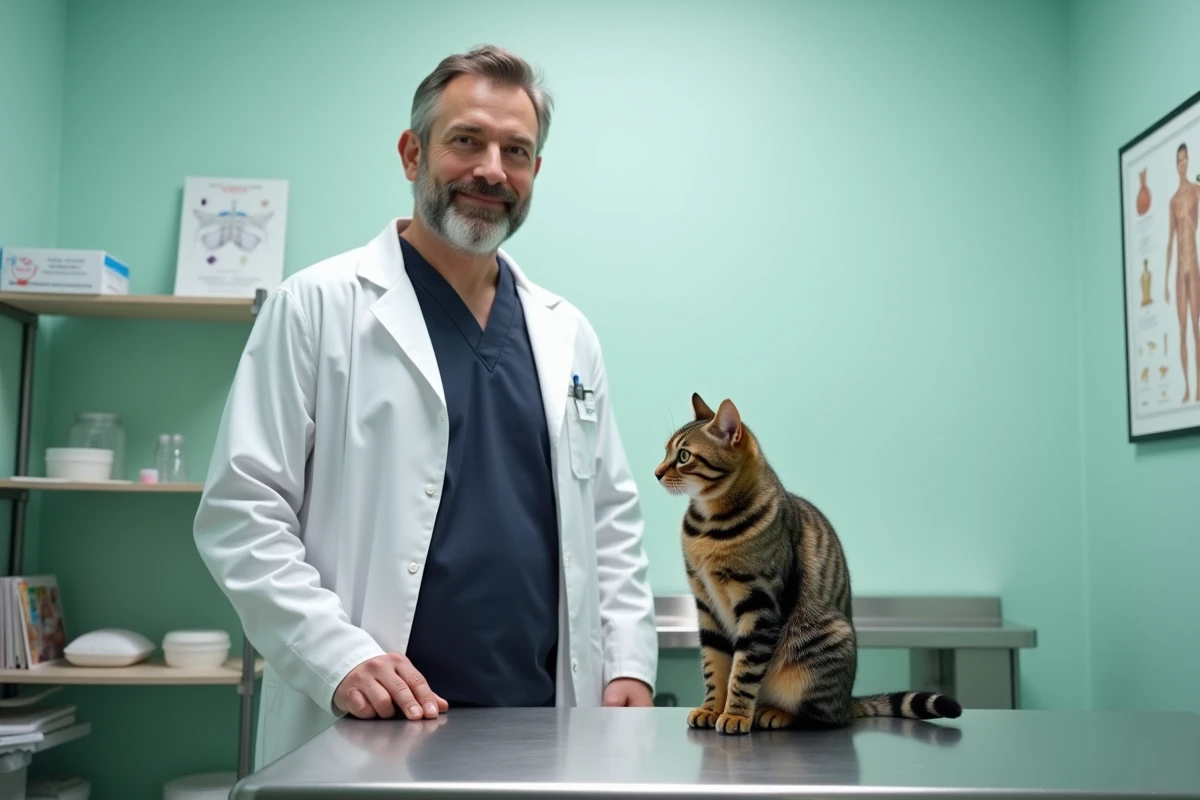
A survey conducted among 500 clinics in France by the Veterinary Order in 2026 highlights a rarely discussed point in comparisons: veterinarians prefer insurance without deductibles. The reason is operational, not commercial. With a deductible, the practitioner must explain to the client why part of the care remains their responsibility, which generates discussions at the end of the consultation and lengthens administrative time.
Deductible-free plans also facilitate third-party payment when the insurer offers it. The veterinarian bills directly, the owner does not pull out their credit card for the full amount, and payment is made between the insurer and the clinic.
This data has a concrete consequence on the choice of contract. A pet health insurance with a deductible of 50 or 100 euros per act may display a high reimbursement rate on paper, but the actual out-of-pocket expense after the deductible significantly reduces the perceived advantage. Checking the amount of the deductible per act and per year remains a reflex to keep before any subscription.
Animals adopted from shelters: medical history and litigation risks
Adoptions from shelters represent a significant share of the arrivals of animals in French households. The problem, rarely analyzed, concerns medical histories that are not documented at the time of adoption. A dog adopted at three years old may have undergone surgical interventions, suffer from undiagnosed chronic pathologies, or have unknown genetic predispositions to the new owner.
When subscribing to insurance, the health questionnaire asks for the animal’s medical history. If the owner honestly declares that the animal has no history (due to lack of information from the shelter), and a pre-existing condition manifests a few months later, the insurer may invoke a false declaration to refuse reimbursement.
Points to check before subscribing for an adopted animal
- Request the complete veterinary file from the shelter, including care performed before adoption and any ongoing treatments
- Have a complete health assessment conducted by an independent veterinarian in the weeks following adoption, and keep the report as supporting documentation
- Check in the general conditions of the contract if the insurer applies a specific waiting period for pre-existing conditions or if they are completely excluded
- Prefer contracts that provide for an observation period rather than a definitive exclusion of undeclared pathologies
The quarterly report from the Insurance Mediation (April 2026) confirms that disputes related to adopted animals mainly revolve around this issue of initial declaration. The owner finds themselves caught between a shelter that does not always provide a complete history and an insurer that demands total transparency.

Accident, illness, and prevention coverage: reading the contract exclusions
The coverage of a dog or cat mutual insurance generally breaks down into three parts: accident, illness, and prevention (vaccination, dental cleaning, sterilization). Entry-level plans only cover accidents. Intermediate plans add illness. Premium plans include prevention.
The price difference between these levels may seem modest at subscription, but the exclusions of coverage widen the actual coverage gap. Among the common exclusions:
- Hereditary or congenital diseases, often excluded even in intermediate plans
- Dental care outside of dental cleaning, rarely covered
- Reproductive-related interventions (whelping, cesarean) unless explicitly mentioned
Since the decree of December 20, 2025, insurers must also clearly specify in the contract how reimbursement caps will be revised each year. An annual reimbursement cap that does not keep pace with veterinary inflation loses real value over time, which amounts to a disguised reduction in coverage.
The most reliable criterion for comparing two pet insurance contracts remains the simulated out-of-pocket expense over three concrete scenarios: a simple consultation, a multi-day hospitalization, and major surgery. This calculation, rarely offered by comparison sites, provides a more accurate picture than just the displayed reimbursement rate.